If you search for a Changzhou electric motor manufacturer, you will find a long list of results. Changzhou, in Jiangsu, is one of China's denser clusters for electric motors, gearboxes, machinery and power and electrical equipment. That is good news for choice and bad news for verification, because many of the companies selling motors there do not actually make the core parts themselves.
I export industrial electric motors for a living and deal with Chinese motor factories every day. In my experience, the most common problem I see with motor suppliers is not a factory that makes bad motors. It is a supplier that buys stators, buys housings, or buys complete motors, then assembles, relabels or simply resells them. That is a legitimate business model, but you should know which one you are paying. Here is how I check a Changzhou motor supplier before money moves.
First, decide what kind of supplier you are talking to
Before price, before certificates, before anything, find out whether the company is a motor factory, an assembler, or a trading company. The answer changes what you should ask for and what you should pay.
A factory winds stators, does varnishing and assembly, and tests finished motors in house.
An assembler buys wound stators or complete sub-assemblies and puts motors together. Quality depends heavily on its suppliers, which you cannot see.
A trading company buys finished motors and ships them under its own name. Sometimes this is fine. Sometimes the factory behind it is unknown even to the seller.
You can often settle this with a short video call. Ask them to walk the phone through the production floor while it is running. If they cannot show winding, inserting, varnishing and assembly happening, treat them as an assembler or trader until proven otherwise. A paid China supplier verification does this check independently, including a live video walk-through and the registration and court records behind the company name.
The production steps that tell you it is a real motor factory

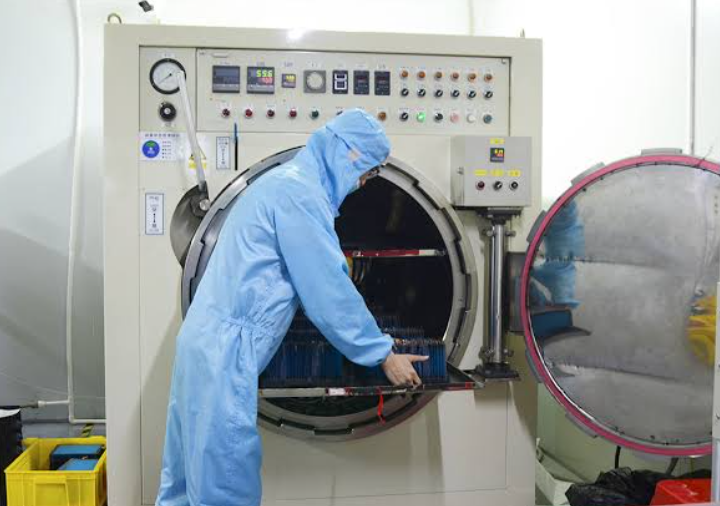
Motor manufacturing has a few steps that are hard to fake and easy to see. When I review a factory video or visit, I look for these processes actually running, not just machines standing in a row:
Winding: coil winding machines with wire spools in use, and wound coils waiting for the next step.
Inserting (嵌线): stators being lined with coils, by hand or machine.
Varnishing and baking (浸漆): dip tanks and ovens. This step affects insulation life and is often the first thing a small assembler outsources.
Assembly: rotor, shaft, bearings, end shields and terminal box going together on a line.
If a supplier claims to make motors but has no winding or varnishing area, ask directly where the stators come from. A straight answer is not disqualifying. Silence or a vague answer is.
Ask for the test bench, then watch it run
A motor factory should have an outgoing test bench (出厂试验台). Ask for a live test during the video call, not a video recorded last year. On the bench I want to see:
No-load current measured on the motor being shipped
Insulation resistance
Withstand voltage (hipot) test
If the factory cannot demonstrate these three on a real unit, the "test report" you receive with the shipment may be a template with your model number typed in. For larger power ratings and high-voltage motors, I recommend witnessing the factory test before shipment, or at minimum receiving a test report for every single motor, not one report for the batch.
Read the nameplate against the quotation
Nameplate mismatches are an expensive surprise. The quotation says one thing, the motor arrives marked with another, and by then the container has sailed. Before you approve production, compare the nameplate data with the offer line by line:
Rated power and voltage
Efficiency class: IE2, IE3 or IE4
Insulation class
Protection degree (IP rating)
Frequency and speed
Ask for a photo of a nameplate from a motor of the same model already produced. Then make sure the same data appears on the nameplate of your units before shipment. A pre-shipment inspection can include this check on the packed goods.
Copper or aluminum windings
This is the question I would put to any Changzhou motor quote that looks unusually cheap. Aluminum windings exist, and some suppliers use them quietly because the price difference is significant. Ask plainly: is the winding copper or aluminum? Get the answer in writing in the quotation or the technical agreement. If the price is far below other quotes for the same IE class and power, this is the first thing to check, along with the weight of the motor.
Bearings and laminations
Bearings and silicon steel laminations drive reliability more than most buyers expect. Ask which bearing brand is used and whether it is original or a compatible substitute, and ask what grade of silicon steel sheet goes into the rotor and stator. A supplier who can answer quickly and consistently is usually telling the truth. One who has to check several times may not control what goes into the motor.
Certificates: check the number, not the logo
CE and CCC certificates are easy to display and easy to misrepresent. Do not accept a scanned certificate as proof. Take the certificate number and check it on the issuing body's own website. Then compare two things:
The company name on the certificate against the company you are paying
The product models on the certificate against the models you are ordering
A certificate held by a related company, or covering a different model range, does not cover your order. This is one of the checks in my 12 checks before you pay a Chinese supplier, and it applies to motors as much as to any other product.
Registration, scope and court records
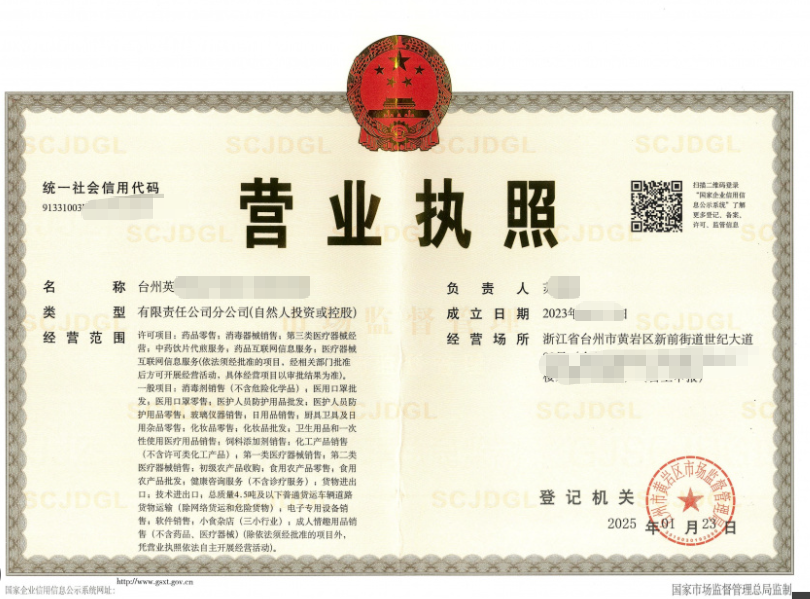
Chinese companies have an official business registration record, and the business scope (经营范围) tells you what the company is registered to do. A company registered for trading or for general machinery sales, rather than motor manufacturing, is a signal to ask harder questions about who makes the product. Court records and enforcement listings are also public, and a supplier with unpaid judgments is worth knowing about before you send a deposit.
Reading these records in Chinese, and knowing which register to look in, is where foreign buyers usually get stuck. This is the core of what a verification report covers, and you can see the format in the sample supplier verification report.
A practical sequence before you pay
Confirm factory, assembler or trader with a live video walk-through.
See winding, inserting, varnishing and assembly actually running.
Watch a no-load current, insulation resistance and hipot test on a real motor.
Match the nameplate data to the quotation, in writing.
Ask copper or aluminum, bearing brand and lamination grade.
Verify CE and CCC numbers with the issuing body, and match company name and models.
Check registration, business scope and court records.
For large or high-voltage motors, witness the factory test or collect a report per unit.
Inspect before shipment, including nameplate and packing checks.
If you want the factory itself looked at rather than just the paperwork, an on-site factory audit covers the production floor, equipment and quality process. For buyers comparing several candidates, my write-up of the 9 Shandong machinery suppliers we checked shows how often the label and the reality differ.
When to ask me to check the supplier
If a Changzhou motor quote is well below the others, if the supplier cannot show winding on a live call, if the certificate names do not match the company you are paying, or if the order value makes a wrong first shipment expensive, it is worth having the supplier checked before you send a deposit. Whatever you decide, keep the deposit to 30% at most and pay the balance only after inspection or against a copy of the bill of lading, always to the company account named in the contract.
I work from Xi'an, I export industrial motors and deal with Chinese motor factories every day, and I only get paid by buyers, never by the factories.
Get a Quote on WhatsApp See Supplier Verification
LocalAuditChina is an independent verification service, not a certification body. Reports are findings to support your purchasing decision.