A Dongguan contract manufacturer can look solid on paper and still pass your order to a smaller workshop two towns away. That is one of the main risks in this city. Furniture, molds and plastic injection, electronic components and toys are all made here in large numbers, and the company quoting you is not always the one that will actually run your parts.
This guide is for buyers placing a first or repeat order in Dongguan. It covers what to check before you pay a deposit, what to ask during a video walk-through, how to protect yourself if you are paying for tooling, and what to check on the product itself for the main Dongguan industries.
Why Dongguan needs a closer look

Dongguan grew as a contract manufacturing base. The density of factories is high, and so is the number of trading companies and middlemen who quote for work they do not own the equipment to make. A supplier may show you a clean showroom, a catalog and a business license, then send your order to a workshop that has never made your product before.
That is not always a scam. Subcontracting is normal in this region, especially for secondary processes like painting, plating or packaging. The problem is when nobody tells you, and when the company you paid has no control over quality or timing at the workshop doing the work.
Your job is not to ban subcontracting. It is to know which processes are done in house, which are outsourced, and who is accountable when something goes wrong.
Start with the registration and the numbers behind it
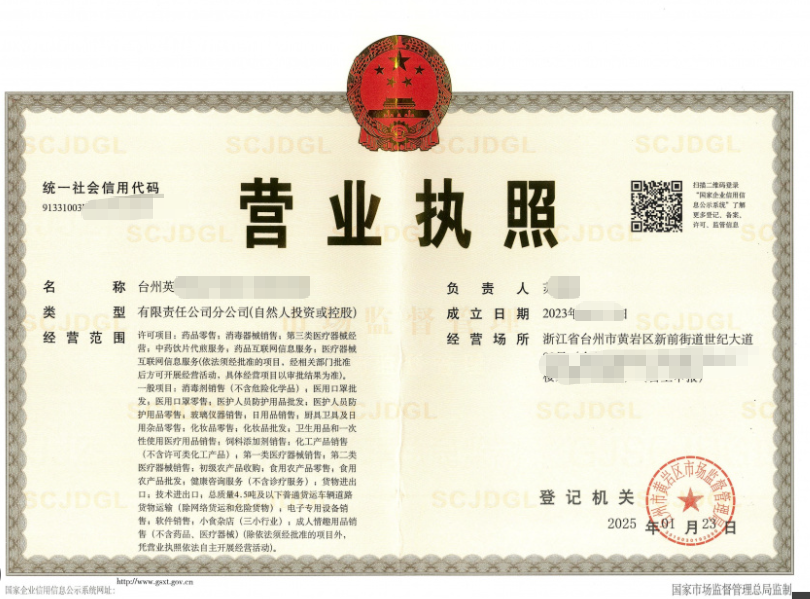
Every legally operating company in Dongguan has an official registration record. You can check the company name, unified social credit code, registered address, legal representative, business scope and status. The business scope tells you what the company is registered to do. If your product or process is not in it, ask why.
Two numbers matter more than the rest for a contract manufacturer:
Social insurance headcount. This is the number of employees the company declares for social insurance. It is not a perfect measure, but a factory claiming 300 workers with 12 insured employees needs explaining.
Factory floor area. Compare the stated area with the headcount and the type of work. A large injection molding plant with a small insured headcount is a warning sign, and so is a small unit claiming to run a full furniture line.
Ask for the company's registration details and the factory address in writing before the video call. Then check that the address matches what you see. If the supplier cannot give you a consistent name, address and credit code, stop and verify before going further.
Court records are also public. A company with unpaid judgments, or one listed as a dishonest judgment debtor, is a payment risk however good the factory looks.
For a broader list of checks that apply to any Chinese supplier, see how to verify a Chinese supplier: 12 checks before you pay.
The video walk-through: watch machines, not empty halls
A video tour is only useful if it is live and unscripted. Pre-recorded clips prove nothing. Ask for a live call and direct where the camera goes.
Here is what I ask buyers to request:
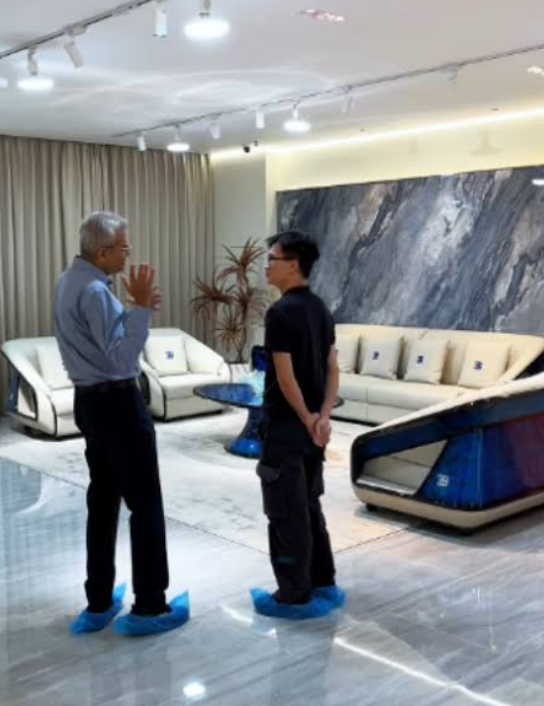
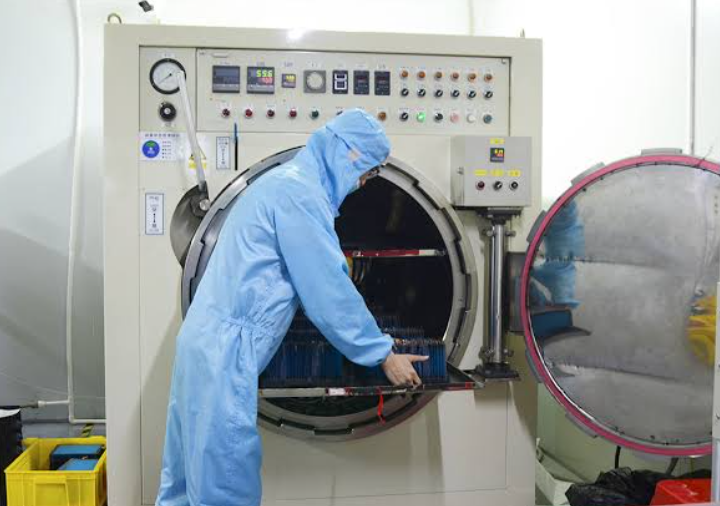
See the machines running your type of work. Not a showroom, not a warehouse of finished goods. Ask to see the injection molding machines, the CNC or EDM machines for molds, the sewing or assembly lines for furniture and toys, and the SMT line for electronic components. Ask the operator to show a part in progress.
Check the sign at the gate. The company name on the factory gate or building sign should match the name on the business license. If the sign shows a different company, ask what the relationship is.
Look at the address on the building. Many Dongguan industrial units have a street address plate. Ask the camera to show it.
Ask to see the material store and the finished goods area. Busy factories have material moving through. An empty floor with a few samples on a table is not a production line.
Ask who owns the building or unit. A lease is normal, but the answer tells you whether you are dealing with a manufacturer or a tenant who sublets space.
If the supplier resists a live tour or keeps steering the camera, treat that as information. An on-site audit is the next step when a video call leaves questions open. The on-site factory audit service puts a person on the floor to check the same points in person.
Ask which processes are in house and which are outsourced
This is the question that separates a real contract manufacturer from a broker. Go through your product process by process and ask for a clear answer on each step.
For a plastic injection part, for example: who makes the mold, who runs the injection machine, who does the painting or printing, who does the assembly and who packs it? For furniture: who cuts and machines the wood, who does the finishing, who makes the hardware, who does the upholstery? For toys: who does the molding, who does the painting, who runs the safety testing?
Write the answers down. If a process is outsourced, ask which company does it, where it is, and how the supplier controls quality there. A supplier who cannot name the subcontractor is not controlling the process.
This matters most for safety related items. Toys and electronic components carry testing and compliance requirements, and an outsourced process that is not controlled can put your shipment at risk.
If you are paying for a mold, protect the mold
Dongguan is a major mold and tooling center. Many buyers pay for a new mold as part of the first order, and some of them later find they do not control what they paid for.
Put the following in the contract, in writing, before you pay the tooling deposit:
Ownership. The mold belongs to the buyer, not the factory. State it plainly.
Mold number and description. Give each mold a unique number and describe it, including cavitation and material.
Storage location. Name the exact address where the mold will be kept.
Exclusive use. The factory may not use your mold to produce parts for other customers.
Access and return. You have the right to inspect the mold and to have it moved or returned to you, at your cost, if the relationship ends.
Ask for photos of the mold with its number stamped or tagged. If the factory cannot show the mold and the number, you do not know whether it exists.
Technical points to agree before the mold is cut
Steel and mold life. State the steel grade for the cavity and core and the expected number of shots. A mold quoted for a few thousand shots and one built for hundreds of thousands are very different tools, and the price difference often hides here.
Who makes the mold. Many injection molders buy their molds from a separate tooling shop. That is normal, but you should know the name and location, because that is where the mold is during the build.
Design review. Ask for a design for manufacturing review before steel is cut, covering wall thickness, draft angles, gate position and parting line. Changes after the mold is made are slow and expensive.
First samples. Agree how many rounds of trial samples (T1, T2) are included in the price, and that you approve the samples in writing before mass production. Keep one approved sample on each side.
Payment for tooling. Link the final tooling payment to your written approval of the samples, not to a date.
Mold ownership and tooling payment apply to machinery suppliers too. The write-up of the 9 Shandong machinery suppliers we checked shows how often the company on the quote and the plant doing the work are different.
Product checks by industry
Registration and the walk-through tell you who you are dealing with. They do not tell you whether the product will match the order. For the main Dongguan industries, these are the points to put in writing.
Furniture
Materials: name the wood species or board type, the board thickness and the hardware brand in the order. Substitution of cheaper board or hardware is easy to miss in photos.
Moisture content: solid wood that is too wet can crack or warp on the voyage. Ask what moisture level the factory dries to and how it measures it.
Formaldehyde and coatings: if you sell into a market with emission or coating rules, ask for the test report for the board and finish actually used, and check the lab and report number.
Packing: furniture is often damaged in transit. Agree carton strength, corner protection and a drop test before shipment.
Toys
Test reports: ask for test reports against the standard of your market from an independent lab, for the exact item, not a similar one. Check the report number with the lab.
Paint and materials: paint and plastic changes between batches can affect test results. Write the approved materials into the order, and retest when the supplier changes them.
Small parts and labeling: age grading, warnings and small part risks should be checked against the approved sample at inspection.
Electronic components
Traceability: ask where key components come from and whether the supplier can show purchase records. Unknown sources raise the risk of remarked or recycled parts.
Testing: ask what is tested in house before shipment and ask to see the records for a recent batch.
Certificates: check certificate numbers on the issuer's own website and make sure the company name and model match. The Shenzhen electronics supplier guide covers this in more detail.
Inspect the first batch twice
For a first order from a new Dongguan supplier, one inspection at the end is often not enough. Plan a check before or early in production as well as a pre-shipment check.
The early check confirms that the right materials and components are on site and that the first pieces match the approved sample. The pre-shipment check confirms quantity, workmanship, packing and markings before the goods leave. If the first batch goes wrong, you want to know before the container is loaded, not after it arrives.
The pre-shipment inspection service covers the second check, from US$299 per man-day plus travel at cost. If you also want a check before production starts, say so when you ask for a quote.
Pay only to the company account on the contract
This is the simplest rule and one that is often broken. Pay the deposit and the balance only to the corporate account of the company named on the contract and the business license.
Do not pay a personal account, a director's account, a Hong Kong account that is not named in the contract, or an account belonging to a different company. If the supplier asks you to pay someone else, ask why in writing. A legitimate change of account should come with a signed company letter and a call, ideally a video call, to a contact you already know, not to a number sent in the same email.
A few more rules keep the payment side safe:
Keep the production deposit to 30% at most.
Pay the balance only after a pre-shipment inspection, or against a copy of the bill of lading.
Pay tooling against approved samples, not against a calendar date.
Payment to the wrong account is a common way buyers lose money in China, and it is avoidable.
When to bring in an independent check
You can run the registration check, the video walk-through and the process questions yourself. Bring in an independent check when the order value is large enough that a wrong supplier would hurt, when the supplier resists a live tour, when the headcount and the factory size do not add up, or when you are paying for tooling and want someone on the floor to confirm the mold exists and is stored where the contract says.
Supplier verification covers the registration and court records, the factory or trading company check, a live video walk-through and the decision-maker's contact. It costs US$79 per supplier, or US$60 each for five or more, and takes 3 to 5 business days. You can see what the report contains in the sample supplier verification report. If you are comparing several Dongguan suppliers before you order, that check is usually the cheapest way to find out which ones are worth a factory visit. An on-site audit starts from US$299 per factory plus travel at cost.
I work in B2B export of industrial electric motors and deal with Chinese factories every day. I am paid by buyers only and never take commission from factories. If you are unsure whether a Dongguan contract manufacturer is real, or whether the mold you are paying for will still be there next year, send me the company name and I will tell you what to check first.
Get a Quote on WhatsApp See Supplier Verification
LocalAuditChina is an independent verification service, not a certification body. Reports are findings to support your purchasing decision.